
Not as Simple as Hunters and Farmers
We've heard the analogy - B2B sales people are either hunters or farmers. In other words they go out in search of prospects (prey/game) and close (slay) them....or they simply cultivate what they've created among an existing customer base, harvesting incremental sales from that base.
There are sales roles appropriate for each, but compensation, growth expectations, and performance monitoring need to be adjusted along with KPIs depending on the situation.
It's a long-standing and familiar analogy, and it's helpful because it conveys a very basic distinction in the sales world.
But it's misleading
Shooting isn't Hunting
To take the analogy further (trigger warning - if you think deer hunting is a vile activity, then you probably shouldn't read anymore) there's a big difference between shooting (traipsing through the woods, spying a deer and throwing a bullet in it's direction) and hunting (studying the environment, studying the habits of deer, understanding where they'll be, managing noise/wind/scent, and only taking a shot that is clear and likely to drop the animal quickly.)
It's struck me lately that most B2B industrial sales people are shooters. They've got fancy gear whether the latest technology or scent-lock clothes and powerful scopes, but the art is gone from the hunt - they crash through the prospecting woods sending a few poorly informed "prospecting emails" just like taking pot shots at random creatures...or shadows.
Millennials are Hunters - GenX is Just Shooting
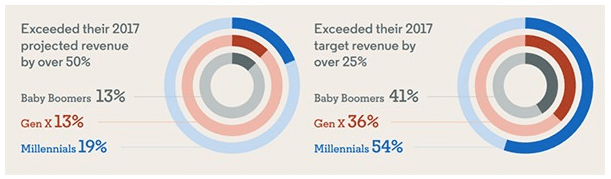
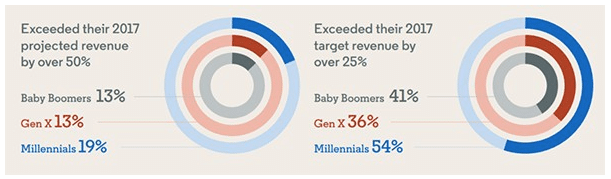
LinkedIn's State of Sales 2018 report turned many of the millennial bashing tropes, at least as far as B2B Sales goes, on their head. It turns out that they're really leading the sales game - far outpacing their Boomer and GenX counterparts in quota attainment.
LinkedIn's recap analysis identified two reasons. First, millennial sales people are faster to adopt new sales approaches and technologies. In many cases they've only known a sales environment built around these, and they instinctively understand how to fluently use them in their approach.
Second, millennials are working more closely with their marketing colleagues, and they're collaboratively driving better results. In fact millennials are 115% more likely to say they see excellent leads from marketing than their Boomer colleagues.
These are reflected in the myriad of small tactical choices that reps make, instinctively or consciously, each time they undertake a sales activity.
Details make the B2B Sales Difference
If you're selling simple, low value products, then just dialing for dollars and blasting emails may work. However, in the complex sales world, sophisticated buyers and opaque buying teams require a different approach.
Shooters fail because they may simply look at their CRM notes, see they had a call scheduled, quickly review notes from the last call, and dial. Or they may receive an inbound lead email or a list of trade show leads, and opt between dismissing it based on cursory review and name recognition, or "following up" with a pro-forma email or voice mail.
Hunters win because they carefully stalk the prospect (figuratively of course!) A good hunter takes at least the following steps:
- reviews LinkedIn for the person's profile, looking at their activity, colleagues, connections and history for topics and/or areas of potential connection (depending on whether it's a late or early stage call)
- review the marketing automation history for the contact, and colleagues - what have they opened? clicked? downloaded? what pages have the visited? how recently? how frequently? They'll look not only for explicit information, but also the nuggets which can be inferred with thoughtful analysis. For instance, does this prospect consistently start by looking at high speed, automated solutions but then often default to inquiring about manual versions? Or does email tracking show that they likely forwarded something to colleagues?
- review and interact on social channels (LinkedIn, Twitter, Instagram, Facebook) where it's clear the person has professional engagement
- mine intent data (if you haven't bought intent data for your revenue growth team yet....it's time to do so!) to see who from the company, or their competitors, is actively in the market. They'll pay particular attention to the evidence of desired outcomes, problems to be solved, stage in buying journey and active competitors.
- review the company's website
- quick internet search of the individual and the company
- a more detailed review of previous conversations
- selecting the email template or talk track/script that best fits what they know (e.g. not that they visited the trade show booth, but that they were interested in solving XYZ challenge)
This takes time, concentration, work, curiosity and motivation. Much of it is online, using digital tools and platforms that weren't part of the sales toolkit a decade ago.
You know the difference in experiences you've had with reps who prepared vs. those who simply dialed/emailed.
With the amount you spend on B2B leads (please nod your head that you in fact know your cost/lead for different sources!) how can you tolerate anything other than well prepared hunting? If you're turning shooters loose on your precious leads, it's likely that they're crashing through the brush, upwind, and spooking buyers with hasty, poorly aimed and planned prospecting shots.
Want your team to hunt your leads instead? Let's chat.
And let's not be careless with analogies!