
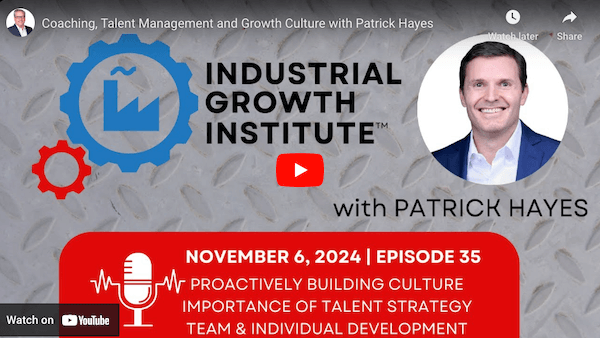
Growth Culture, Talent Strategy, College Football, and Lessons Learned in the Peace Corps

Patrick Hayes was the captain and, later, assistant coach of his NCAA football team at Amherst College. He was an equity trader, then worked in human capital management at Bridgewater Associates. In 2019, he founded Boston-based Mukala Partners, informed by his various leadership experiences and an important lesson he learned in the Peace Corps in Zambia.
Patrick labored late into the night for weeks, carefully transcribing important health messages from the local spoken language into written form to facilitate presentations to groups.
His effort was in vain. The language was only spoken. It wasn't written. He had wasted his time because of cultural assumptions.
The lesson learned infuses Patrick's work with executive teams and leadership at private equity portfolio companies with humility and appreciation for cultural challenges.
Every owner, board director, executive, leader and manager can learn from Patrick's insights during this discussion. He offers tips on coaching, hard discussions, accountability, leadership, assessments, hiring, and even his take on the impact of "Work From Home" on young entrants to the professional workforce.
The inescapable takeaway is that "Talent Strategy" must be part of corporate strategy. A "perfect" revenue growth strategy, roadmap for 3D printing or cloud data monetization, or innovative PaaS (product as a service) models are hollow without a solid foundation of team and talent.
Connect with Patrick for insights and wisdom into talent strategy and creating a growth culture.
Website |
Leadership, Culture and Talent Strategy - Patrick Hayes on Industrial Growth Insitute Episode 35
Episode Recap
Summary
In this episode of the Industrial Growth Institute podcast, Ed Marsh chats with Patrick Hayes, the founder of Mukala Partners, about talent growth, leadership development and the importance of focusing on people and building effective teams in order to drive organizational success.
Patrick shares his experiences as an NCAA team captain and college football coach, lessons learned during his time in the Peace Corps and insights from working in private equity. He highlights the need for understanding and adapting to different cultures and leadership styles.
They also explore:
- the role of assessments and team development programs in improving individual and team performance
- the importance of talent management and team effectiveness in organizations
- need for leaders to understand their own strengths and weaknesses
- how to create a culture of transparency and accountability.
Hayes also highlights the value of assessments in gaining insights into individuals and teams, but cautions against relying solely on assessments for hiring or firing decisions. He recommends continuous learning and personal development as key to leadership growth and success.
Takeaways
- Building a resilient and successful organization requires a talent strategy that focuses on people and building effective teams.
- Understanding and adapting to different cultures and leadership styles is crucial for driving talent growth and organizational success.
- Assessments and team development programs can help improve individual and team performance.
- Strong partnerships between HR leaders, CEOs, and external advisors are important for driving talent growth and leadership development.
- Understanding your own strengths and weaknesses is crucial for effective leadership.
- Creating a culture of transparency and accountability is essential for team success.
- Assessments can provide valuable insights into individuals and teams, but should not be the sole basis for hiring or firing decisions.
- Continuous learning and personal development are key to leadership growth and success.
Takeaway Quotes from Patrick Hayes
- "In fact, a lot of times it's hard. there's very little to gain, in my experience, from obfuscating what you're feeling or what you think about a particular situation. Generally speaking, it's better to air it out."
- "Building culture and collaboration and excellence across an organization doesn't just happen by accident."
Outline
00:00 Building culture and collaboration
08:38 The story of Trent
10:46 The importance of listening and understanding
18:38 The difference between managers and leaders
21:33 The changing landscape of content
25:21 The challenge of communication
27:41 Talent growth in family-owned businesses
32:30 From leader to manager
38:13 The influence of Bridgewater Associates
41:07 Understanding Self and Others
42:31 Transparency and Accountability
45:19 Creating a Culture of Trust
50:11 Understanding Motivations and Learning Agility
58:40 Clarity and Continuous Learning
01:02:47 Assessments and Decision-Making
01:04:39 Accountability and Difficult Decisions
01:09:24 Working with Boards
01:14:30 Key Takeaways
Want to Understand The Culture and Strengths of Your Sales Team?